What is Tropicália Modern?什么是 Tropicália Modern?
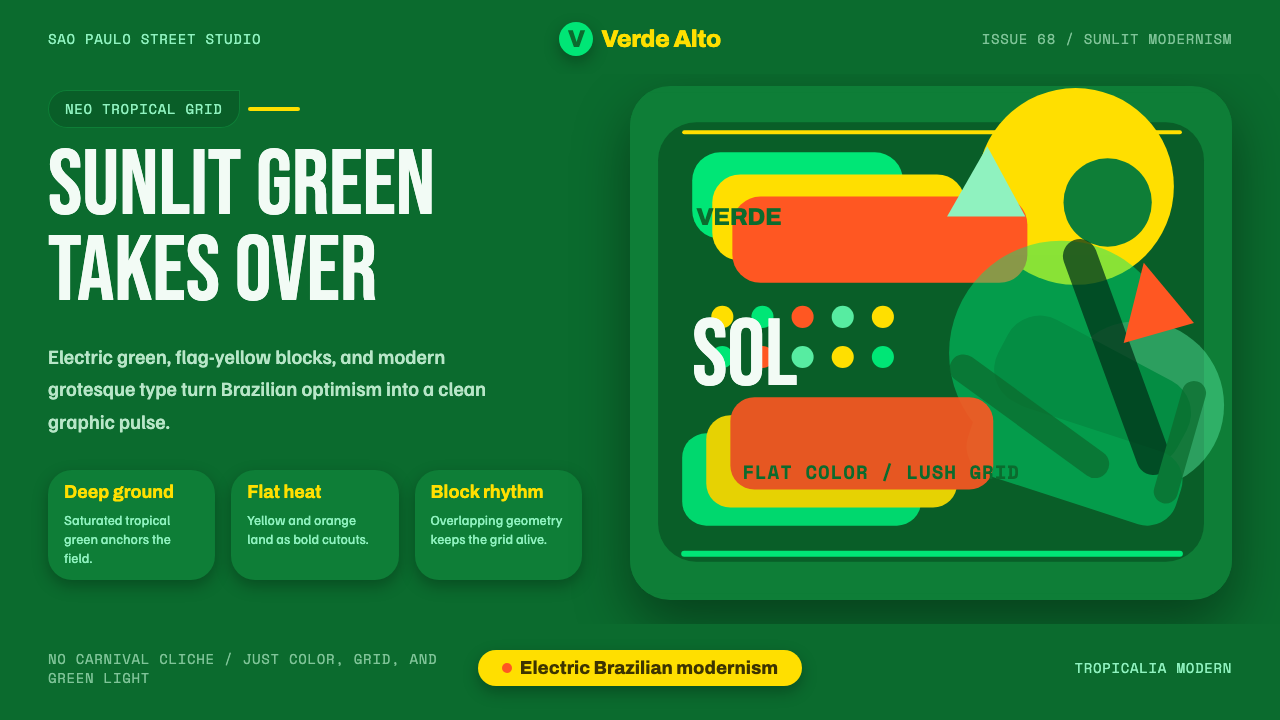
Tropicália Modern carries 1960s Brazilian optimism into today's studios — electric greens, flag yellow, and lush overlapping leaf silhouettes, without a single carnival cliché.「热带摩登」把1960年代巴西的乐观精神带进今天的工作室——电光绿、国旗黄与层叠的阔叶剪影,却没有一丝桑巴俗套。
Tropicália Modern in briefTropicália Modern 速览
Tropicália Modern is a contemporary São Paulo street-and-studio sensibility that channels the spirit of the 1960s Tropicália movement through a specifically graphic, present-day lens. Rather than illustrating carnival feathers or postcard beaches, it works through electric green and flag-yellow color, confident modernist grotesque typography, and lush, overlapping botanical silhouettes derived from tropical leaf forms. The result reads as unmistakably Brazilian while remaining entirely current in its execution.「热带摩登」是一种当代的圣保罗街头与工作室美学,透过一种特别图形化、当下的视角,延续着1960年代Tropicália(热带主义)运动的精神。它不描绘嘉年华羽毛或明信片式的海滩,而是通过电光绿与国旗黄的色彩、自信的现代主义grotesque字体,以及取材自热带阔叶形态、层层叠叠的植物剪影来表达。其结果不折不扣是巴西的,执行手法却又完全属于当下。
The style blends two seemingly opposed impulses: the bright, unguarded optimism of Bossa Nova-era Brazilian culture, and the clean discipline of contemporary graphic design. Where a lesser tropical style might pile on ornament to signal place, Tropicália Modern signals it through color intensity and botanical form alone, trusting a deep saturated green ground and a handful of confident flat shapes to do the work that a more literal illustration would otherwise need.这种风格融合了两种看似对立的冲动:Bossa Nova时代巴西文化那种明亮、毫无保留的乐观,与当代平面设计那种干净利落的纪律。若是一种较为平庸的热带风格,或许会堆砌装饰来标示地域感;「热带摩登」则仅凭色彩强度与植物形态本身来传达这一点,相信一片饱和的深绿底色和几个自信的平涂形状,就能完成一幅更直白的插图才需要费力达成的效果。
Everything sits atop a richly saturated tropical-green field, lit from within by vivid greens, warm accent tones, and bold flat color blocking rather than gradients or naturalistic shading. Leaf silhouettes overlap in loose, organic rhythm rather than a tight repeating pattern, giving the system a sense of lush abundance without descending into visual clutter.所有元素都铺陈在一层高度饱和的热带绿底色之上,由鲜绿、暖色强调与大胆的平涂色块从内部点亮——而非依靠渐变或写实的明暗处理。叶片剪影以松散、有机的节奏相互叠压,而非紧密重复的图案,赋予这套系统一种枝繁叶茂的生机感,却又不至于陷入视觉上的杂乱。
See the Tropicália Modern design system查看 Tropicália Modern 完整设计系统
Where does Tropicália Modern come from?Tropicália Modern 从何而来?
The style's name and much of its spirit reach back to Tropicália, the Brazilian counter-cultural movement of the late 1960s that fused traditional Brazilian musical forms with psychedelic rock, avant-garde visual art, and pointed political critique, emerging in direct tension with Brazil's military dictatorship of the period. Tropicália was never a purely aesthetic project — its practitioners understood color, form, and sound as tools for asserting a distinctly Brazilian modernity that owed nothing to European or North American templates.这种风格的名称与其大部分精神,都可追溯到Tropicália——1960年代末的巴西反主流文化运动,它将传统巴西音乐形式与迷幻摇滚、前卫视觉艺术及尖锐的政治批评熔于一炉,在与当时巴西军事独裁政权的直接张力中兴起。Tropicália从来不是一个纯粹的美学项目——它的实践者深知,色彩、形态与声音都是主张一种鲜明巴西式现代性的工具,这种现代性无需借鉴任何欧洲或北美的范式。
Musician Caetano Veloso, one of the movement's central figures, embodied this fusion directly, using bright, unapologetically Brazilian imagery and sound to make an argument about national identity during a period when the country's political leadership was actively suppressing cultural expression. The visual and musical vocabulary he and his collaborators developed treated tropical abundance not as kitsch but as a legitimate, sophisticated modernist language in its own right.作为该运动核心人物之一的音乐家卡耶塔诺·维罗索,直接体现了这种融合——在一个国家政治领导层正积极压制文化表达的年代,他用明亮、毫不掩饰的巴西意象与声音,就国民身份提出主张。他与合作者们发展出的视觉与音乐语汇,把热带的丰茂当作一种正当而精妙的现代主义语言本身来对待,而非当作媚俗。
Parallel to the musical movement, landscape architect Roberto Burle Marx was redefining how Brazilian tropical vegetation could be treated as pure graphic form. His gardens, most famously along Rio de Janeiro's Copacabana promenade, arranged native plant species into bold, flat, almost abstract patterns of color and silhouette — an approach that translated the organic abundance of the Brazilian tropics into a modernist visual grammar decades before that translation became common practice in graphic design.与这场音乐运动并行的,是景观建筑师罗伯托·布雷·马克斯,他重新定义了巴西热带植被可以如何被当作纯粹的图形形态来处理。他的花园——最著名的沿里约热内卢科帕卡巴纳海滨大道展开——把本土植物物种排布成大胆、扁平、近乎抽象的色彩与剪影图案,这种手法早在这种转译成为平面设计常规做法的几十年之前,就已把巴西热带的有机丰茂转译为一套现代主义视觉语法。
Artist Hélio Oiticica pushed the movement's ideas into installation and participatory art, using color, texture, and tropical reference to interrogate Brazilian identity from within an avant-garde art context rather than a purely commercial one. Contemporary Tropicália Modern design, centered today in São Paulo and Rio de Janeiro's studio and street-art scenes, inherits all three lineages at once — Veloso's confident cultural assertion, Burle Marx's flattened botanical form, and Oiticica's willingness to treat color itself as the primary carrier of meaning — reassembled for present-day branding, editorial, and digital work.艺术家埃利奥·奥迪塞卡则把这场运动的理念推进到装置与参与式艺术中,在前卫艺术的语境——而非纯商业语境——内,用色彩、质感与热带意象来叩问巴西身份。如今以圣保罗与里约热内卢的工作室与街头艺术场景为中心的当代「热带摩登」设计,同时继承了这三条脉络——维罗索自信的文化主张、布雷·马克斯扁平化的植物形态,以及奥迪塞卡愿意把色彩本身当作意义主要载体的态度——并将其重新组合,用于今天的品牌、编辑与数字设计工作。
What defines the Tropicália Modern look?Tropicália Modern 的视觉特征是什么?
Deep Tropical Green Ground深热带绿底色
A richly saturated green, closer to jungle canopy than to a pastel mint, functions as the system's foundational field rather than an accent. Its depth and saturation carry most of the style's Brazilian identity before any other element is introduced, which is why it is treated as a ground color rather than one hue among several.一种高度饱和的绿色,更接近丛林树冠而非柔和的薄荷绿,是这套系统的基础底色,而非强调色。在引入任何其他元素之前,这种深度与饱和度本身就已经承载了这种风格大部分的巴西身份认同——这也是为什么它被当作底色,而非众多色调之一来对待。
Flag Yellow国旗黄
A vivid, confident yellow, referencing the Brazilian national flag, is used as a high-energy counterpoint to the green ground. It appears in bold flat blocks rather than gradients, functioning as a signal color for emphasis, calls to action, or focal points within a composition.一种鲜艳、自信的黄色,呼应巴西国旗,被用作绿色底色的高能量对照。它以大胆的平涂色块出现,而非渐变,功能上是一种用于强调、行动号召或构图焦点的信号色。
Overlapping Leaf Silhouettes层叠叶片剪影
Large, simplified leaf forms overlap in loose, organic arrangements rather than a tight repeating botanical pattern. The overlap creates depth and lushness without needing shading or gradient, and the silhouettes are treated as flat graphic shapes rather than naturalistic illustration.大型的、简化的叶片形态以松散、有机的方式相互叠压,而非紧密重复的植物图案。这种叠压在不需要明暗或渐变的情况下,制造出深度与葱郁感,且这些剪影被当作扁平的图形形状来处理,而非写实插图。
Confident Modernist Grotesque自信的现代主义grotesque字体
Typography favors a bold, geometric grotesque sans-serif set with generous confidence rather than delicacy. The type is meant to hold its own against the saturated color field beneath it, functioning as a structural anchor rather than a quiet supporting element.字体偏好大胆、几何感的grotesque无衬线体,排布带着一种大方的自信,而非纤细感。文字需要在其下方那片饱和的色彩场域中站稳脚跟,功能上是一个结构性的锚点,而非安静的辅助元素。
Flat Color Blocking平涂色块
Color transitions happen through hard-edged flat blocks rather than gradients or naturalistic shading. This flatness is what keeps the style feeling contemporary and graphic rather than illustrative or nostalgic, distinguishing it from more literal tropical or resort visual clichés.色彩过渡通过硬边平涂色块实现,而非渐变或写实明暗处理。正是这种扁平感,让这种风格显得当代而具图形感,而非插画式或怀旧式,将其与更直白的热带或度假风视觉俗套区分开来。
Bossa-Bright OptimismBossa式明亮乐观
The overall emotional register is unguarded warmth and confidence rather than irony or restraint. Colors are chosen and combined to feel energizing and joyful, echoing the optimistic tone of Bossa Nova-era Brazilian culture without needing musical or figurative reference to establish it.整体的情感基调是毫无保留的温暖与自信,而非反讽或克制。色彩的选取与组合旨在营造振奋人心的欢欣感,呼应Bossa Nova时代巴西文化那种乐观的调性,而无需借助音乐或具象的引用来建立这一点。
No Carnival Cliché拒绝嘉年华俗套
The style deliberately excludes feathers, sequins, samba costume imagery, and postcard beach scenes — the visual shorthand most outsiders reach for when signaling Brazil. Its Brazilian identity is carried entirely by color intensity, botanical form, and typographic confidence instead.这种风格刻意排除羽毛、亮片、桑巴服饰意象与明信片式海滩场景——这些是大多数局外人在标示巴西时最常求助的视觉简写。它的巴西身份认同完全由色彩强度、植物形态与字体的自信感来承载。

See the Tropicália Modern design system查看 Tropicália Modern 完整设计系统
Who shaped Tropicália Modern?谁塑造了 Tropicália Modern?
One of Tropicália's central musical figures, Veloso used bright, unapologetically Brazilian musical and visual imagery to assert a distinctly national modernity during a period of political suppression, establishing the movement's core conviction that tropical abundance could be a sophisticated modernist language rather than kitsch.作为Tropicália运动中的核心音乐人物之一,维罗索在一个政治压制的年代,用明亮、毫不掩饰的巴西音乐与视觉意象来主张一种鲜明的国族现代性,确立了该运动的核心信念:热带的丰茂可以是一种精妙的现代主义语言,而非媚俗。
A landscape architect who arranged native Brazilian plant species into bold, flat, almost graphic patterns, most famously along Rio de Janeiro's promenades. Burle Marx's work translated organic tropical abundance into a modernist visual grammar of flat color and silhouette decades before that approach became common in graphic design.一位景观建筑师,他把巴西本土植物物种排布成大胆、扁平、近乎图形化的图案,最著名的作品沿里约热内卢的海滨大道展开。布雷·马克斯的作品早在这种手法成为平面设计常规做法之前的几十年,就已把有机的热带丰茂转译为一套扁平色彩与剪影的现代主义视觉语法。
An artist who pushed Tropicália's ideas into installation and participatory art, using color, texture, and tropical reference to interrogate Brazilian identity from within an avant-garde context. Oiticica's willingness to treat color itself as the primary carrier of cultural meaning is a direct lineage for the style's flat, saturated color blocking.一位艺术家,他把Tropicália运动的理念推进到装置与参与式艺术之中,在前卫艺术语境内用色彩、质感与热带意象叩问巴西身份。奥迪塞卡愿意把色彩本身当作文化意义主要载体的态度,是这种风格扁平、饱和色块直接的传承来源。
How do you use Tropicália Modern today?今天怎么用 Tropicália Modern?
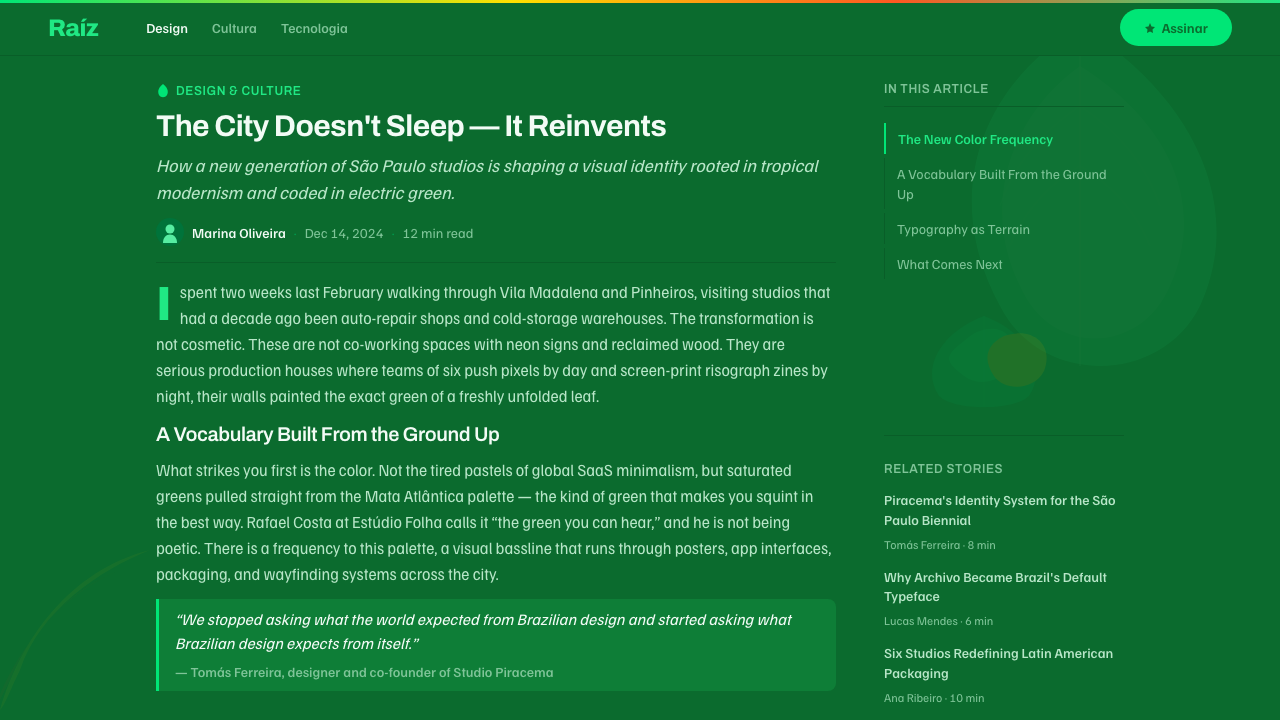
Tropicália Modern suits any product or communication that wants to feel confidently, joyfully Brazilian without leaning on tourist cliché. Applying it well means treating the deep green as a ground color first and building color and botanical form on top of it, rather than scattering tropical motifs across a neutral background.「热带摩登」适合任何想要自信而欢快地展现巴西气质、又不依赖游客式俗套的产品或传播物料。用好它的关键,是先把深绿色当作底色来处理,再在其上建立色彩与植物形态,而非在中性背景上随意散布热带图案。
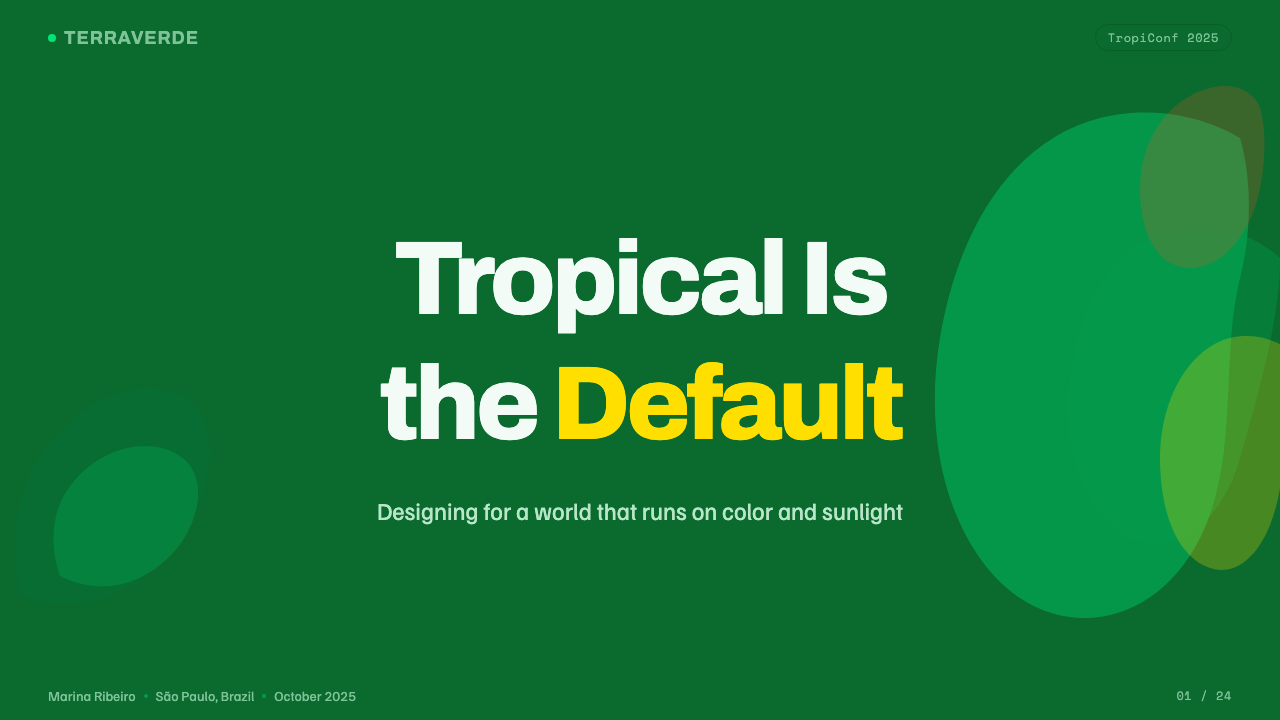
For presentation slides, a cover slide can use the saturated green ground with a large flag-yellow geometric shape or leaf silhouette anchoring one corner, title set in the confident grotesque typeface. Content slides should keep to a restrained hierarchy — one organizing leaf motif or color block per slide rather than scattering botanical shapes throughout — while data slides can use the flat color-blocking approach to give bar and pie charts the same bold, graphic quality as the rest of the system.在演示文稿中,封面页可以用饱和的绿色底色,配上一个大型国旗黄几何形状或叶片剪影锚定某一角落,标题以自信的grotesque字体呈现。内容页应保持克制的层级——每页一个组织性的叶片母题或色块,而非在页面各处散布植物形状——数据页则可以用平涂色块的手法,让柱状图与饼图具有与系统其余部分一致的大胆图形感。
For web interfaces, the style works well for hospitality, lifestyle, food and beverage, and cultural brands that want warmth and energy rather than corporate neutrality. Dashboards and pricing pages should reserve the flag-yellow accent for primary actions and highlighted tiers, keeping the green ground consistent across the interface so it reads as a foundation rather than a decoration.对于网页界面,这种风格适合酒店、生活方式、餐饮与文化类品牌——它们希望展现温暖与能量,而非企业式的中性感。仪表板与定价页面应把国旗黄强调色留给主要操作与高亮档位,在整个界面中保持绿色底色的一致性,使其读作一种基础而非装饰。
For editorial and marketing work, the register suits travel, music, and culture content with genuine Brazilian subject matter, as well as brands positioning themselves around vitality and optimism. Full-bleed green sections with overlapping leaf silhouettes work well as section breaks; marketing hero sections benefit from a single bold yellow call-to-action element against the green field rather than multiple competing accent colors.对于编辑与营销内容,这种调性适合带有真实巴西题材的旅行、音乐与文化类内容,也适合以活力与乐观为核心定位的品牌。整版铺满的绿色区块配上层叠的叶片剪影,适合作为分节区块;营销主视觉区适合在绿色底面上使用单一的、大胆的黄色行动号召元素,而非多种相互竞争的强调色。
The most common mistake is treating this as a generic "tropical leaves" pattern applied over any bright color, which loses the specific historical weight of Tropicália and risks sliding into the carnival-cliché imagery the style deliberately avoids. A second frequent error is using gradients or naturalistic shading on the botanical forms, which undermines the flat, confident graphic quality that distinguishes this from a more literal illustrative tropical style.最常见的错误,是把这种风格当作一种泛泛的"热带叶子"图案,随意叠加在任何明亮色彩之上,这会丢失Tropicália特有的历史分量,并有滑向这种风格刻意规避的嘉年华俗套意象的风险。第二个常见错误,是在植物形态上使用渐变或写实明暗处理,这会削弱区分它与更直白插画式热带风格的、那种扁平自信的图形品质。
See the Tropicália Modern design system查看 Tropicália Modern 完整设计系统
Tropicália Modern — FAQTropicália Modern · 常见问题
Is Tropicália Modern the same as generic "tropical" or resort design?「热带摩登」和泛泛的"热带"或度假风设计是一回事吗?
No. Generic tropical or resort design typically relies on literal palm fronds, beach imagery, and pastel color to signal vacation and leisure. Tropicália Modern instead carries a specific historical and political lineage — the 1960s counter-cultural movement's assertion of Brazilian modernity — expressed through deeply saturated color, flat overlapping botanical silhouettes, and confident typography rather than illustrative literalism.不是。泛泛的热带或度假风设计通常依赖直白的棕榈叶、沙滩意象与柔和色彩来传达度假与休闲感。「热带摩登」则携带着一条特定的历史与政治脉络——1960年代反主流文化运动对巴西现代性的主张——通过高度饱和的色彩、扁平叠压的植物剪影与自信的字体来表达,而非插画式的直白描绘。
Why is the green ground so deeply saturated rather than a lighter, more pastel tone?为什么绿色底色如此深度饱和,而非更浅、更柔和的粉彩色调?
The deep saturation is what gives the style its jungle-canopy weight rather than a lighter, more decorative mint or sage. A pastel green would read as gentle and residential; the deep, almost electric green this style uses reads as vital, energetic, and specifically tropical rather than merely botanical, echoing the intensity of the original Tropicália movement's visual and musical output.这种深度饱和感,赋予了这种风格丛林树冠般的分量,而非更浅、更具装饰性的薄荷绿或鼠尾草绿。粉彩绿会读来温和、居家;而这种风格所用的深邃、近乎电光的绿色,读来充满生机、能量,且专属于热带,而非仅仅是泛泛的植物感,呼应着原初Tropicália运动在视觉与音乐产出上的那份强度。
Can this style work in a light or white-ground layout?这种风格能否用在浅色或白色底面的版面中?
It can, but the deep green must remain present as a dominant field somewhere in the composition — as a section background, a large shape, or a border — rather than being reduced to a small accent. Losing the green as a foundational presence and keeping only the yellow and leaf motifs on white risks reading as a generic botanical pattern rather than Tropicália Modern specifically.可以,但深绿色必须在构图的某个部分作为主导性的场域持续存在——作为区块背景、大型形状或边框——而不能被简化为一处小小的强调色。若失去绿色作为基础性的存在,只在白底上保留黄色与叶片母题,就有可能读作一种泛泛的植物图案,而非特指的「热带摩登」。
How should typography be handled in this style?在这种风格中应如何处理字体排印?
Typography should be bold and geometrically confident, capable of holding its own visual weight against the saturated color field beneath it. A delicate or overly ornamental typeface will be visually overwhelmed by the green ground and flat color blocks; the type needs to function as a structural anchor with the same graphic confidence as the botanical shapes surrounding it.字体排印应当大胆而具有几何自信感,能够在其下方饱和的色彩场域中撑住自身的视觉分量。纤细或过度装饰的字体会在绿色底色与平涂色块面前显得视觉上被压垮;文字需要发挥结构性锚点的作用,具备与周围植物形状同等的图形自信感。
Where does this style struggle or feel out of place?这种风格在哪些场景中会显得格格不入?
It struggles in corporate, financial, or clinical contexts where neutrality and restraint are valued over warmth and energy, and in any product whose brand identity has no genuine connection to Brazilian culture, where the style risks reading as decorative appropriation rather than authentic reference. It performs best when the underlying product or content has a real link to Brazil, tropical vitality, or optimistic cultural energy.在重视中性与克制、而非温暖与能量的企业、金融或临床语境中,它会显得格格不入;在品牌身份与巴西文化毫无真实关联的产品中使用,也有滑向装饰性挪用、而非真实引用的风险。当产品或内容本身与巴西、热带生机或乐观的文化能量有着真实关联时,它表现最好。
Related design styles相关设计风格
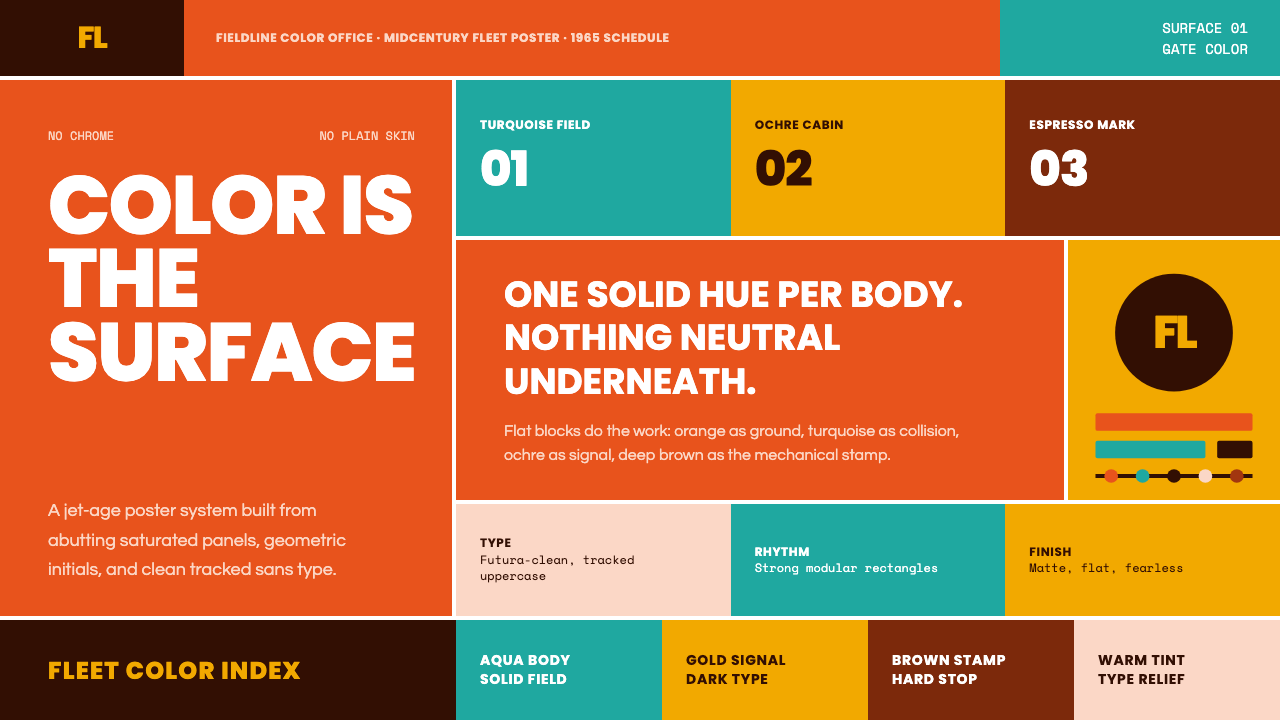 Braniff (Girard)Color becomes fuselage. Jellybean orange, turquoise blocks, and geometric san…颜色就是机身。橙色底、青绿块与几何无衬线锁定网格。
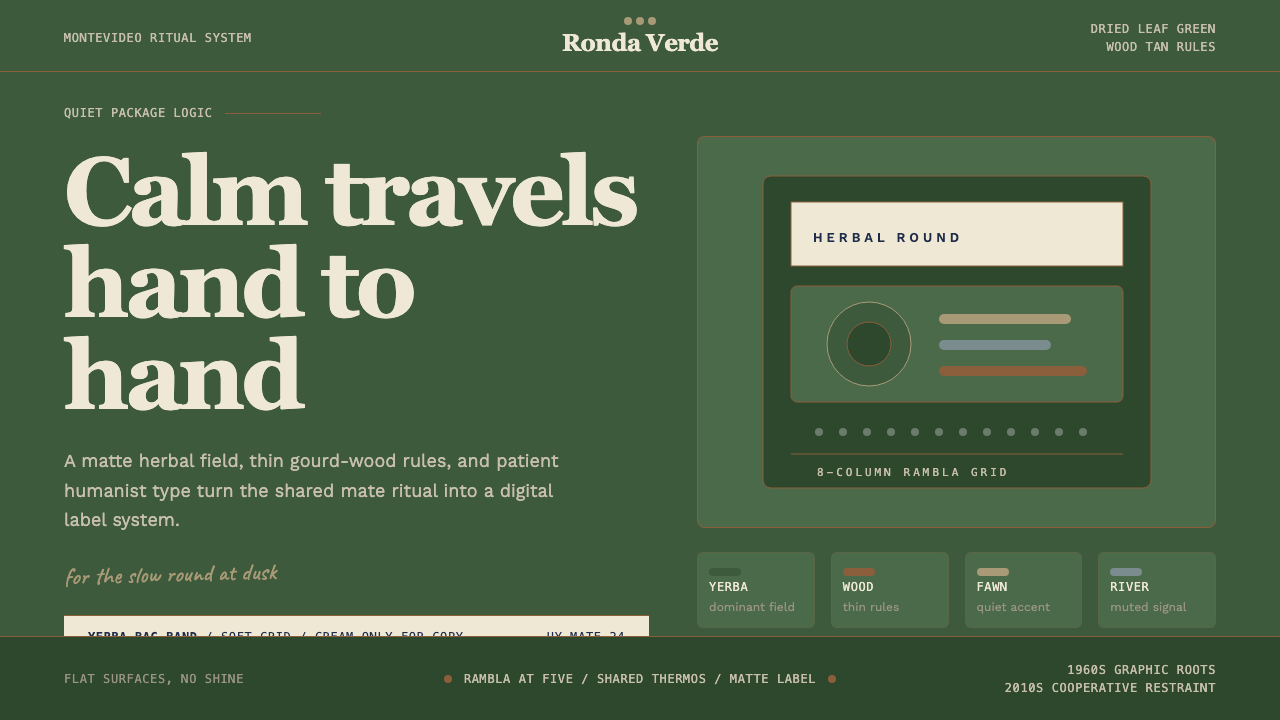 Uruguayan Yerba MateCalm in deep green. Wood-tan rules, Recoleta type, and cream bands keep the r…深绿里保持安静。木棕细线与奶油色标签带,让仪式缓慢。
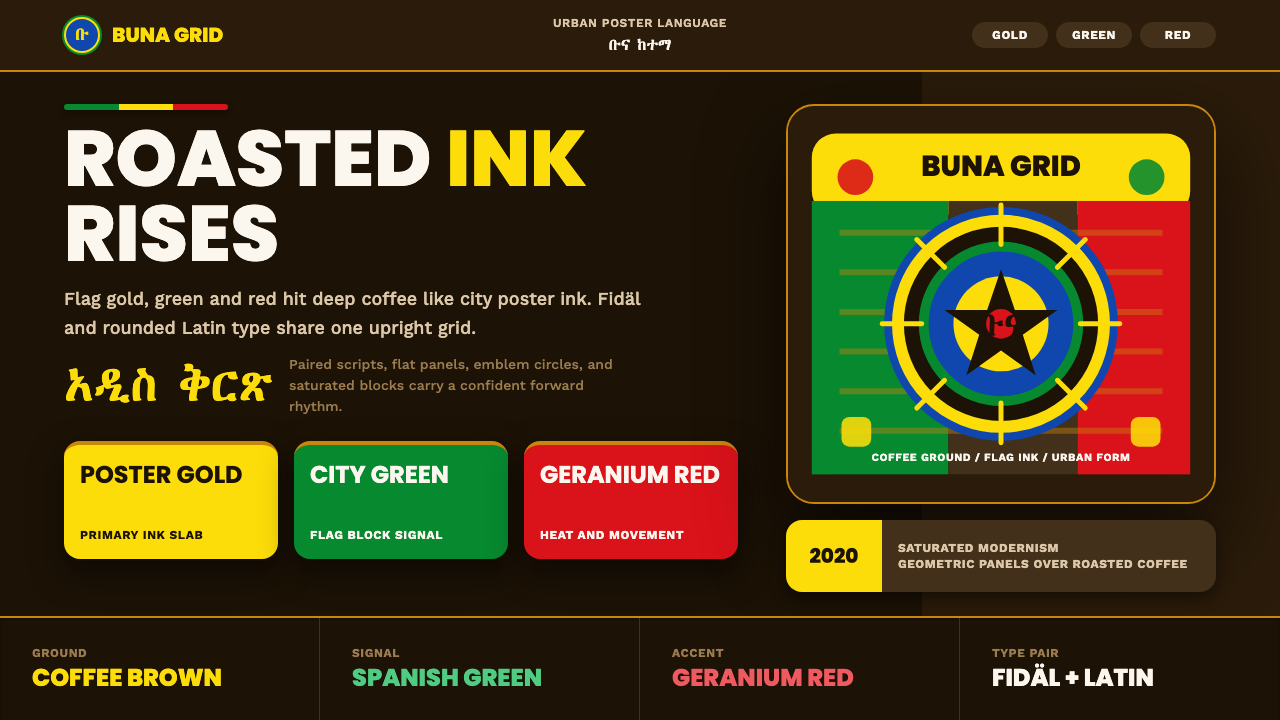 Addis Ababa ModernUrban coffee modernism. Flag gold, green and red snap from a roasted-brown gr…城市咖啡现代主义:金绿红从深咖啡网格中跃出。
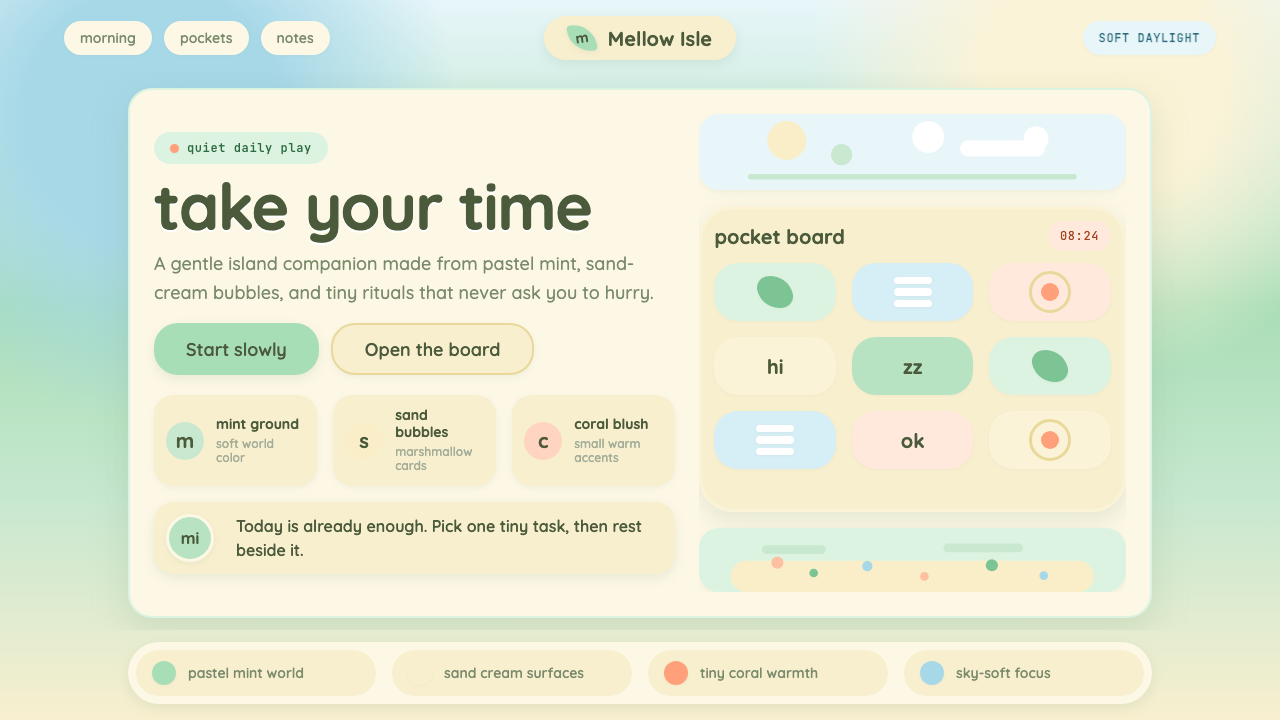 Animal Crossing — New HorizonsNo pressure, only daylight. Mint fields and sand bubbles soften every edge.没有压力,只有日光。薄荷地与沙奶油气泡软化所有边角。
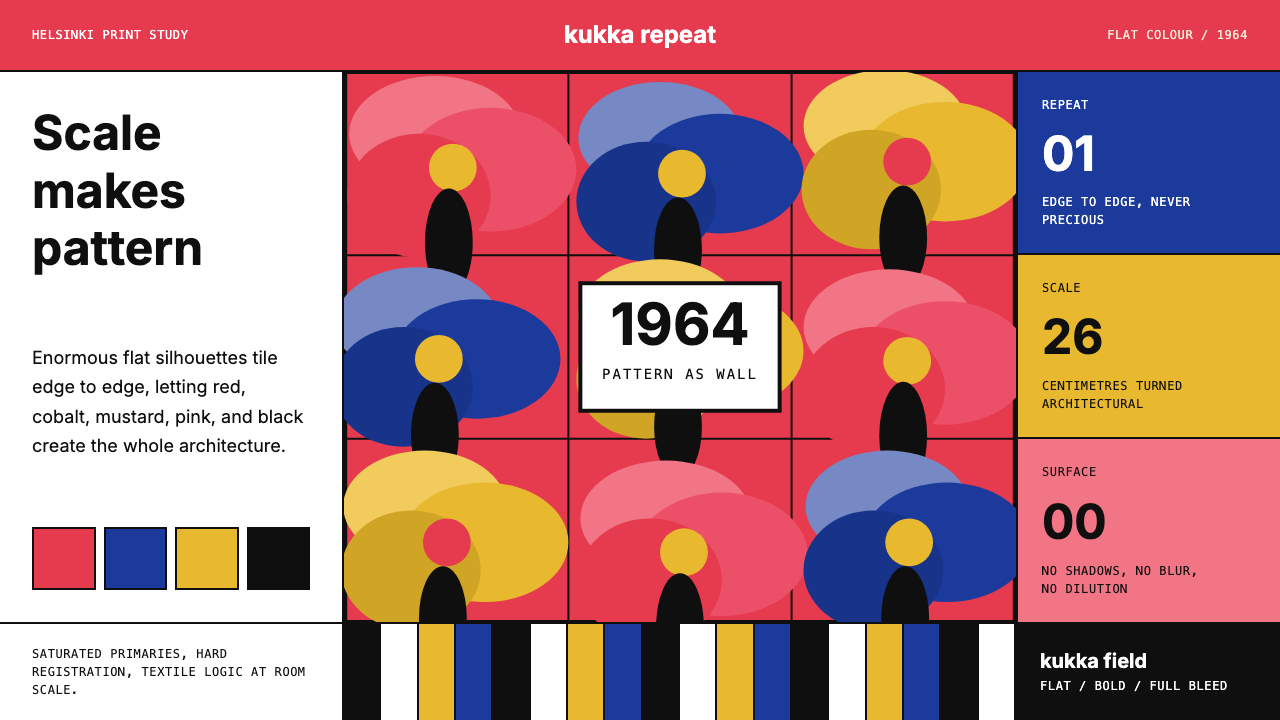 Finnish Marimekko Unikko (1964)Scale becomes pattern. Poppy red, cobalt, mustard, and Inter tile flat silhou…尺度化为图案。罂粟红、钴蓝、芥末黄与Inter平铺扁平剪影。
 1950s Diner AquaRoadside optimism shouts. Aqua walls, cherry vinyl, chrome bands, and neon sc…公路乐观主义在叫卖:湖水蓝墙、樱桃红皮革、镀铬条与霓虹手写体发光。